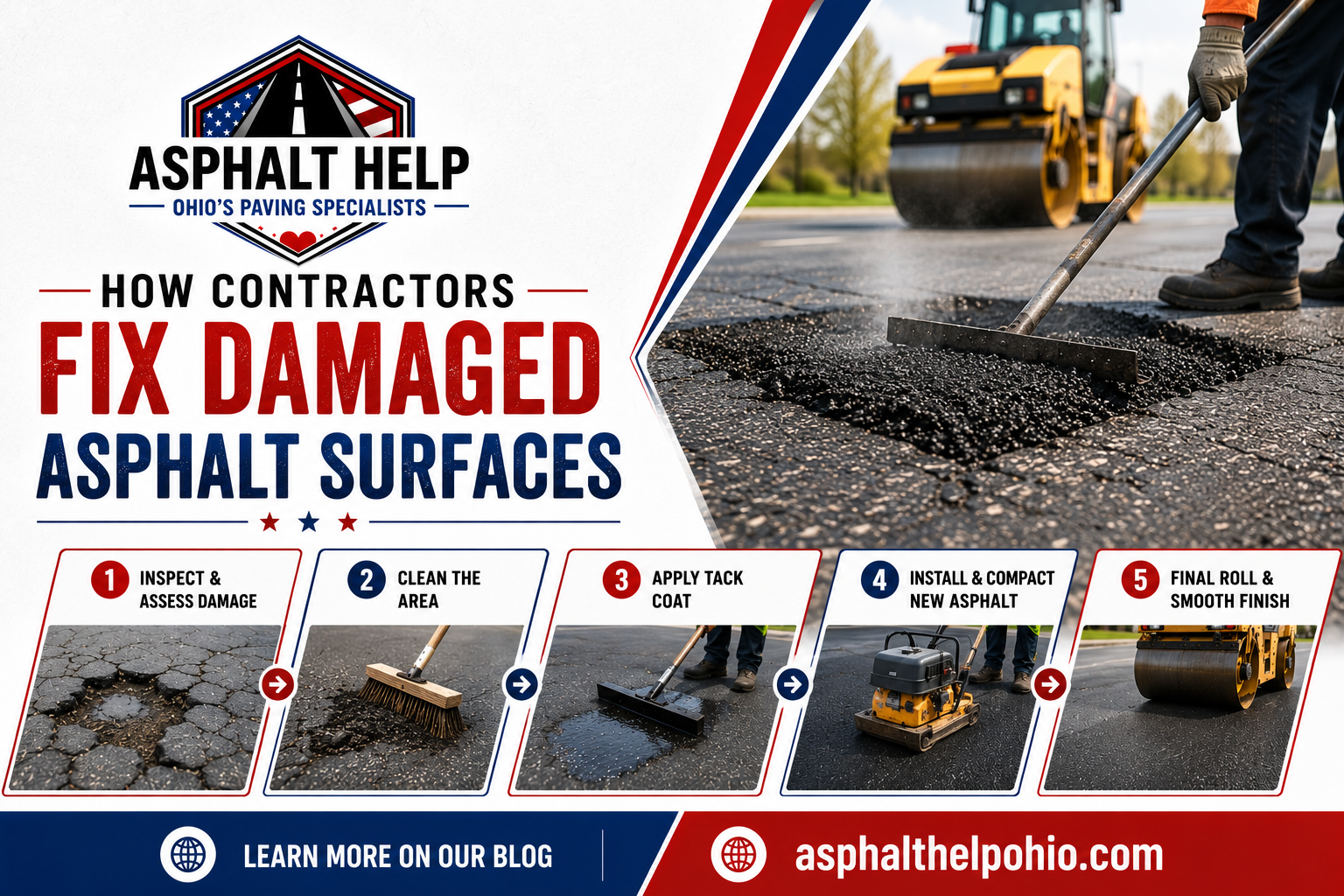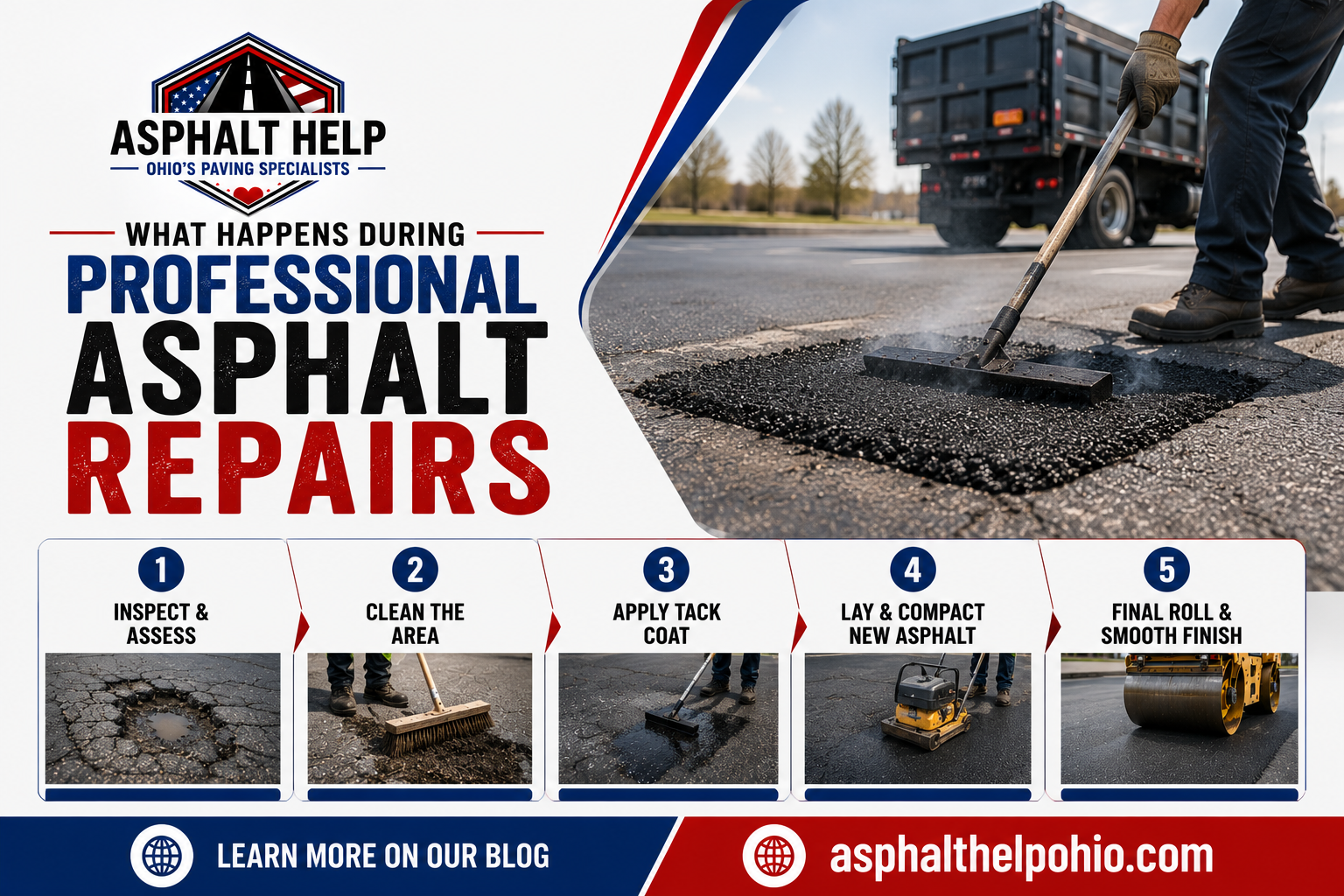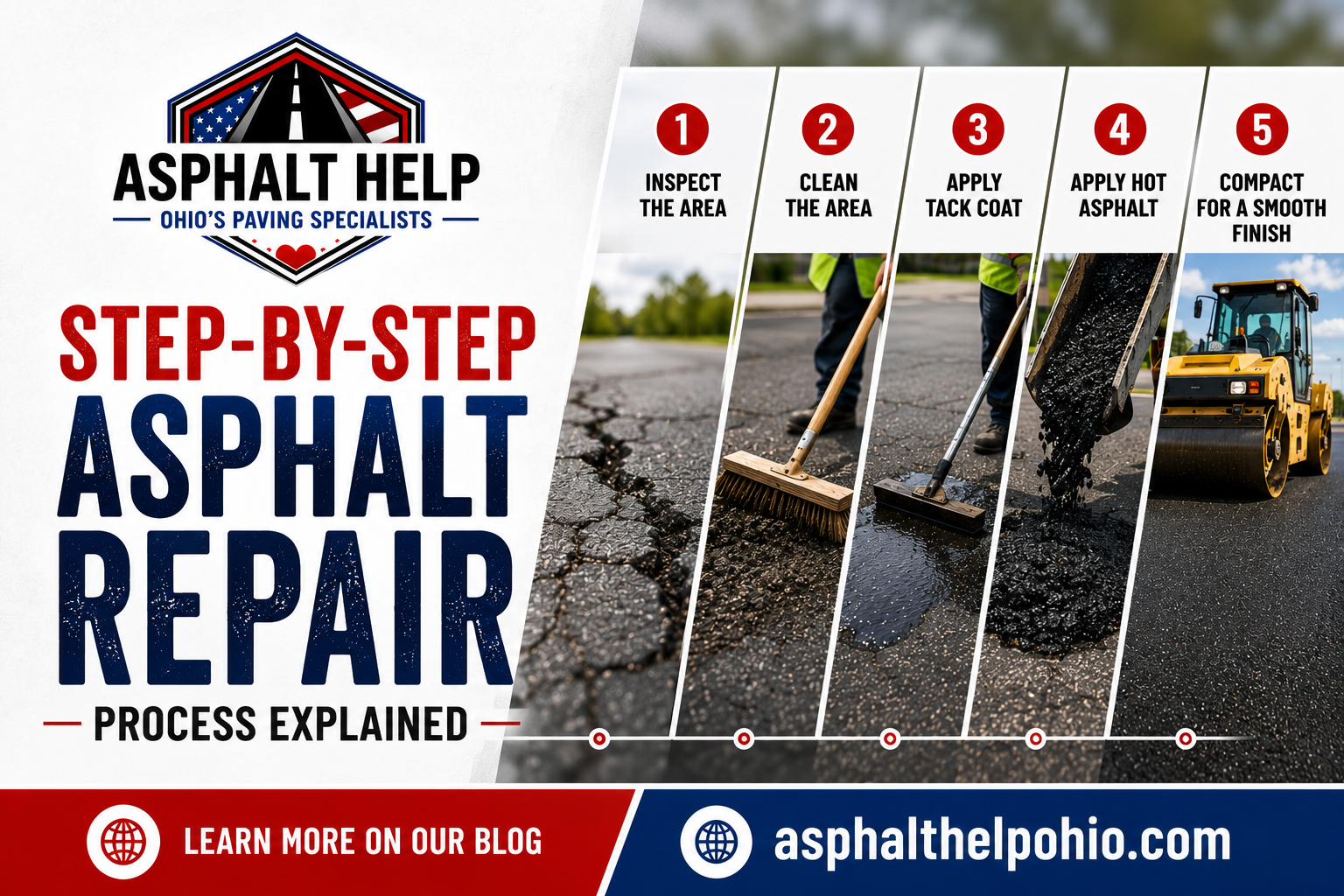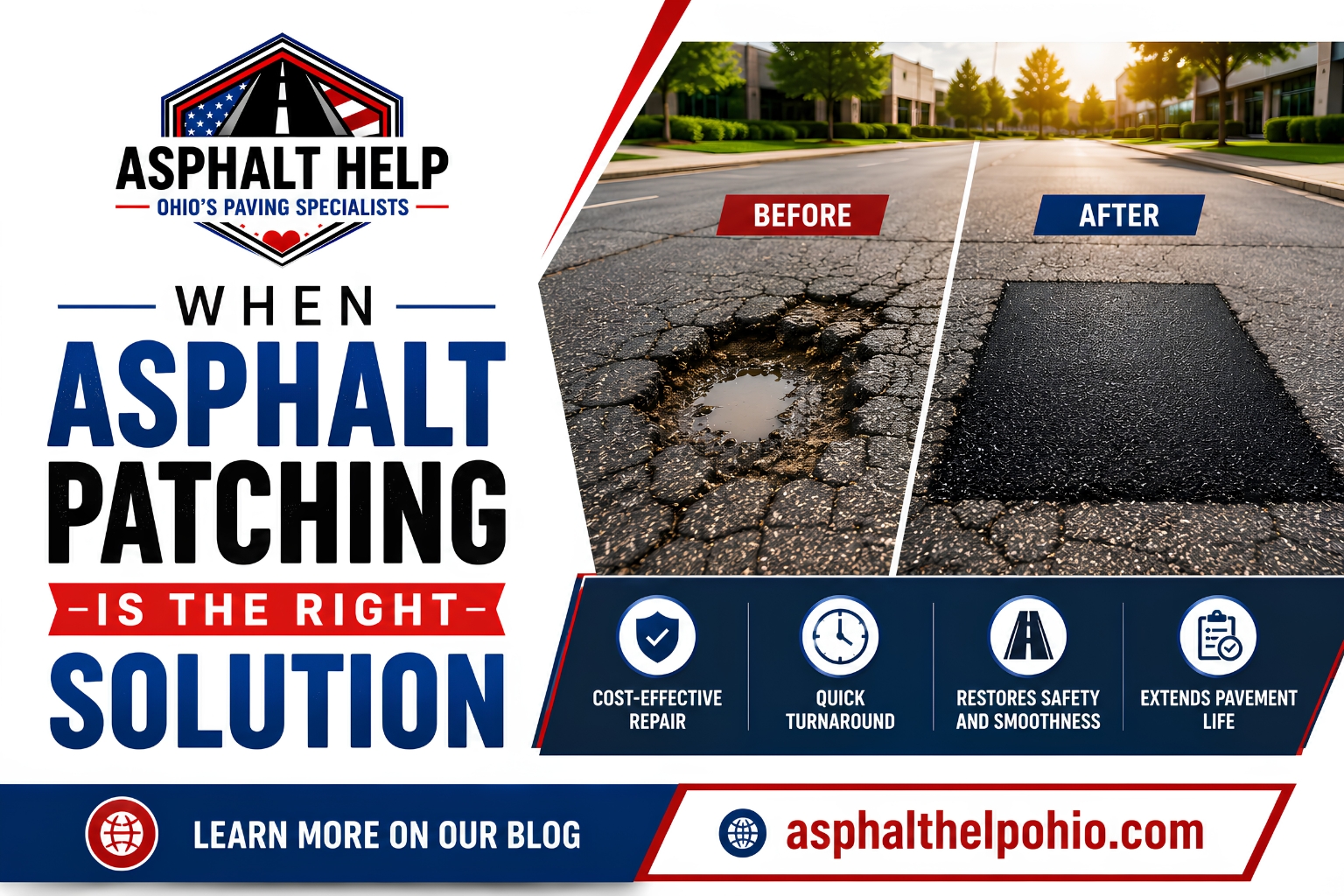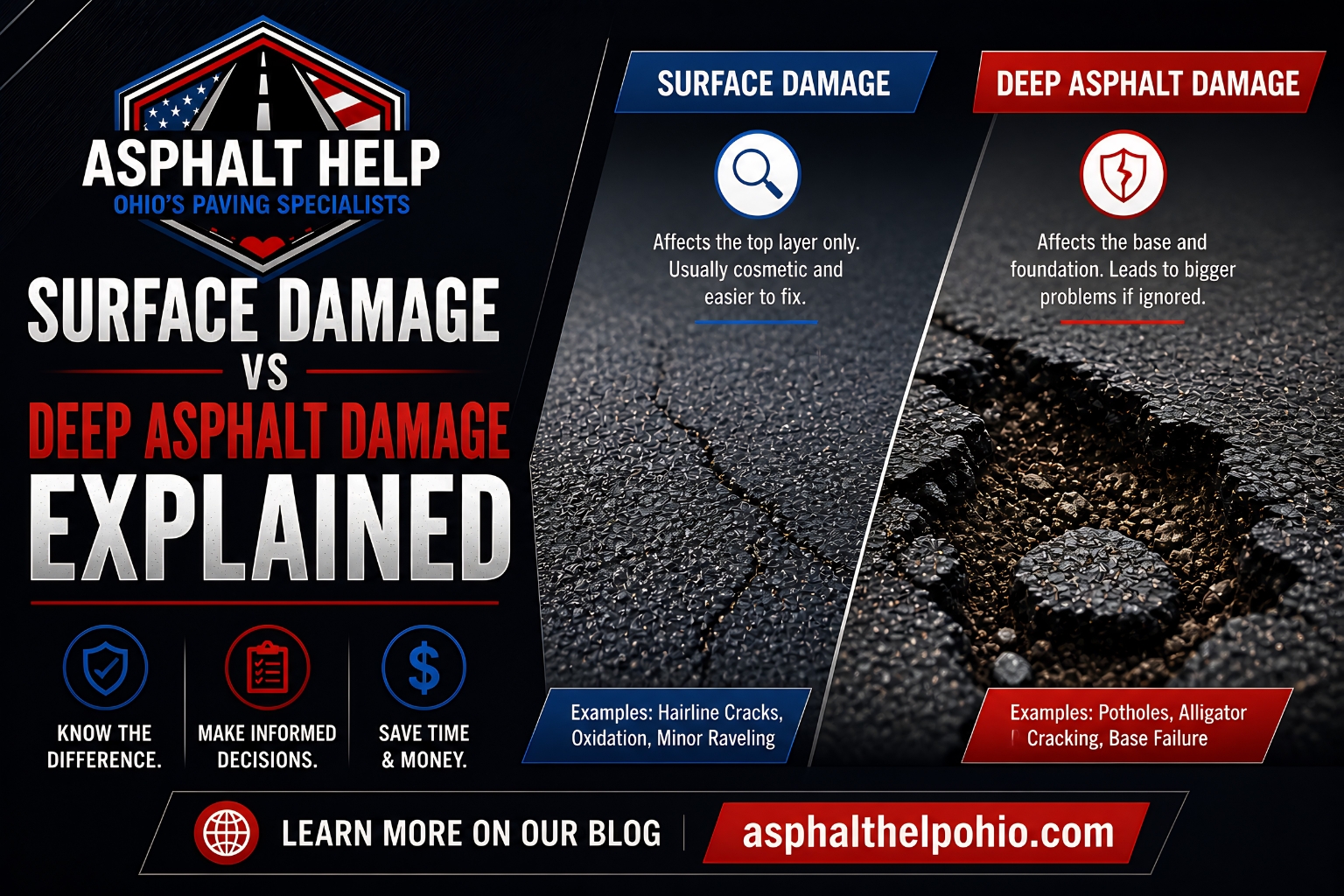



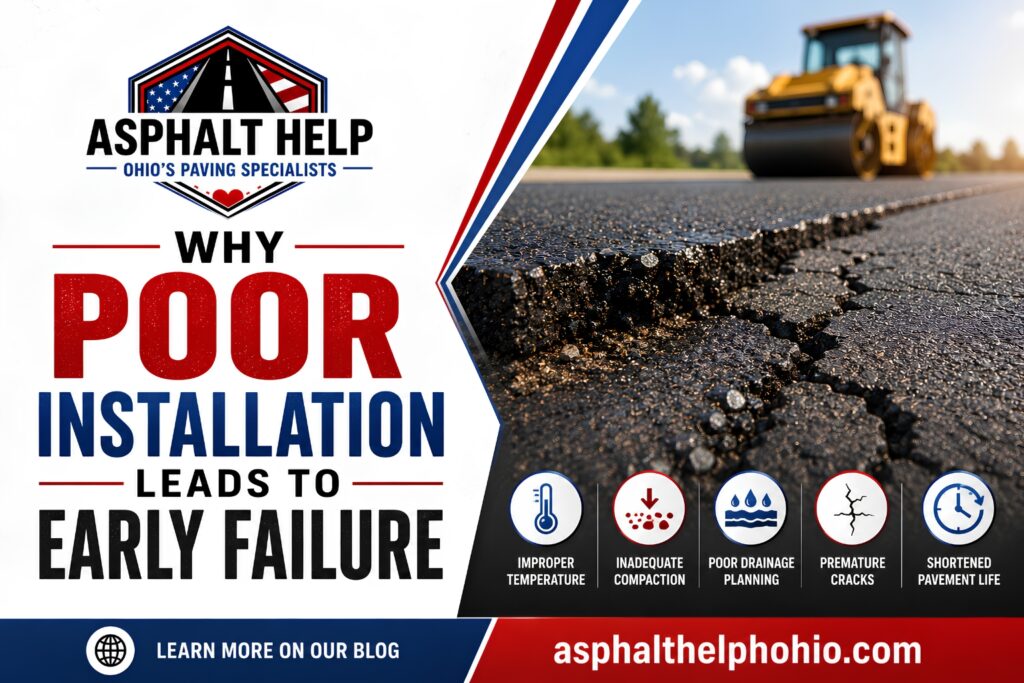
Why do some asphalt driveways and parking lots look fine at first, then start cracking, sinking, or breaking apart much sooner than expected? In many cases, the problem is not the material itself. It is the installation. When the base is weak, grading is off, drainage is poor, or compaction is rushed, the pavement may fail early even if it looked smooth on opening day. That is why asphalt installation issues Ohio property owners deal with so often usually start below the surface, not on top of it. Fatigue cracking is often a sign of sub-base failure, poor drainage, or repeated overloading, and advanced cases can lead to potholes or premature pavement failure.
For people comparing Asphalt Paving Services in Columbus Ohio, the quality of the installation matters just as much as the surface material. Asphalt Help Ohio says it provides residential, commercial, and municipal asphalt paving across Central Ohio, including new installations, resurfacing, structural repairs, driveway paving, parking lots, and base-related work such as over stone paving and tear-out and replacement. The company also emphasizes engineered base preparation, precision grading, and long-term durability.
Why installation quality has such a big impact
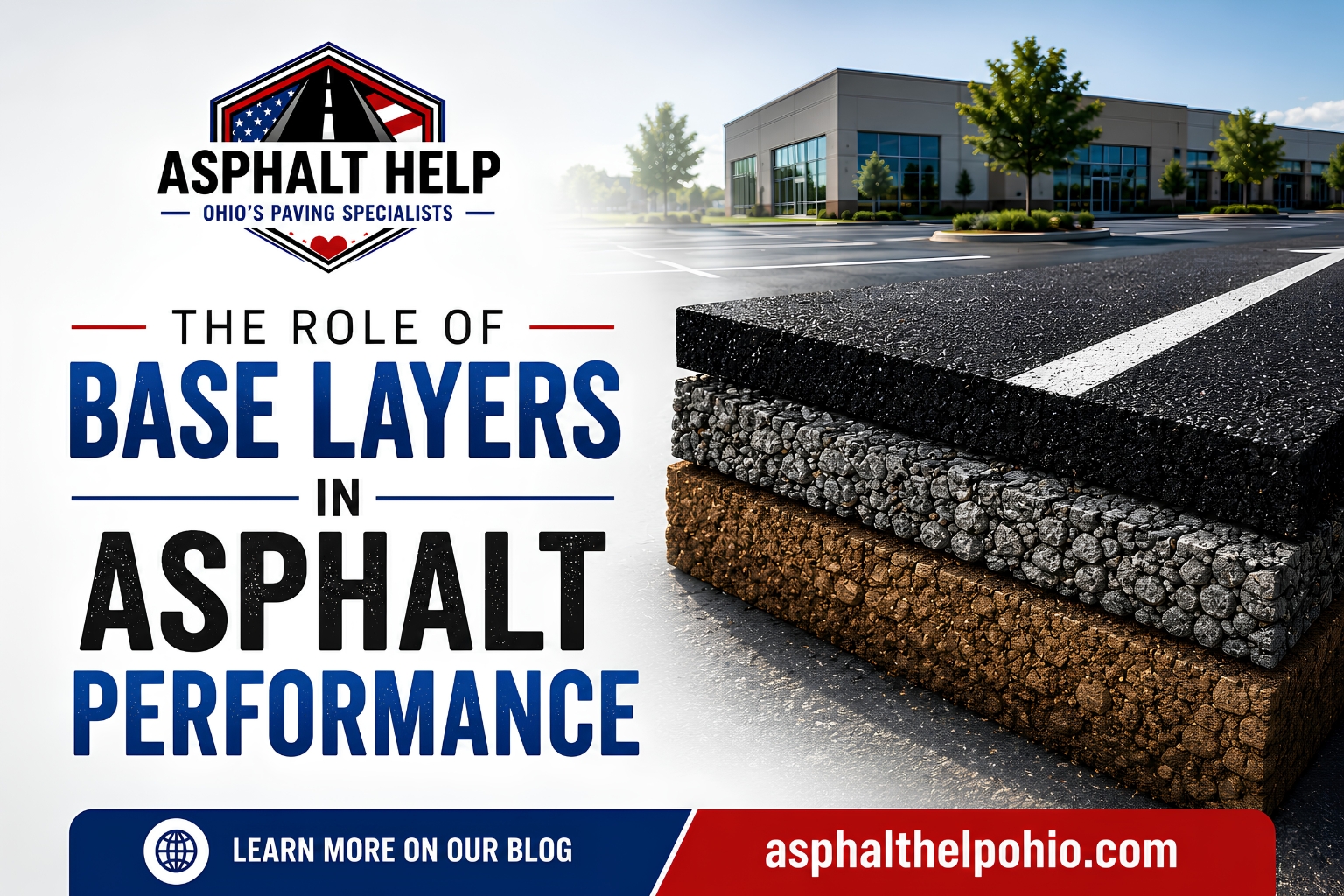
A pavement system is only as strong as the layers underneath it. In asphalt construction, the base and subbase help carry traffic loads and protect the surface layer from overstressing. If those layers are not prepared correctly, the top asphalt may crack, rut, or settle far sooner than it should. Pavement references note that poor drainage in the roadbed can weaken the base or subgrade, and that weak support underneath the surface can trigger fatigue cracking and other forms of deterioration.
That is why experienced asphalt contractors in Central Ohio focus on the full structure instead of only the visible finish. Asphalt Help Ohio says its team has more than 30 years of experience and takes a detailed approach that includes property evaluation, grading, drainage review, and strong base preparation before paving begins.
1. Poor base preparation weakens the whole pavement
The base layer is what helps the pavement carry weight without sinking or deforming. If the base is too thin, not compacted properly, or built on unstable soil, the asphalt above it has to absorb stress it was never meant to carry. Engineering references describe the base course as the structural layer below the wearing surface, and they note that pavement performance depends heavily on the condition of the support layers underneath.
- Weak base materials create soft spots.
A weak or uneven base may look acceptable during installation, but once vehicles start using the surface, those areas can shift or compress. That can create dips, low points, and uneven wear patterns that get worse with time. - Inadequate compaction shortens pavement life.
If the aggregate base is not compacted correctly, the pavement may settle after installation. Settlement can cause cracks at the surface and may also allow water to collect in weak spots. - Subgrade issues often show up later.
The subgrade is the soil beneath the pavement system, and when it cannot support the load, depressions and rutting can develop. Once that happens, the surface often shows distress even if the asphalt mix itself was installed properly.
2. Bad grading leads to drainage problems
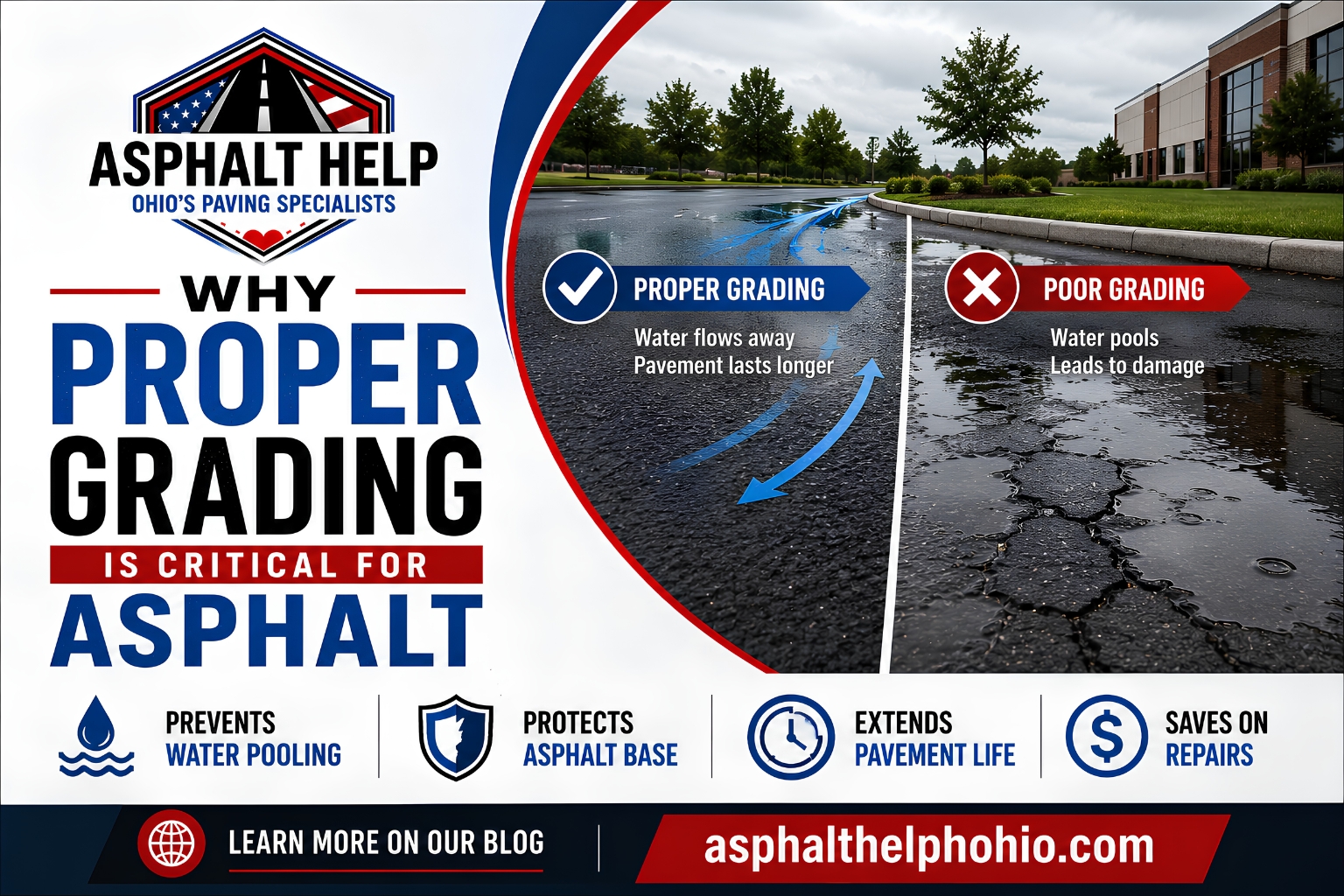
One of the most common reasons pavement fails early is water. If the surface is graded incorrectly, water can sit on the asphalt or collect at the edges instead of draining away. That standing water slowly works into the pavement system and weakens the support below the surface. Drainage gradient matters because insufficient slope leads to pooling, and pooling increases the risk of pavement damage.
- Water pooling accelerates deterioration.
When water is trapped on or under the pavement, it can soften the roadbed and make the asphalt more likely to deform under traffic. This is a frequent cause of fatigue cracking. - Edge areas fail first when drainage is poor.
Water often gathers along shoulders and edges, which are already more vulnerable if they lack support. That can lead to edge cracking that spreads inward over time. - Ohio weather makes drainage even more important.
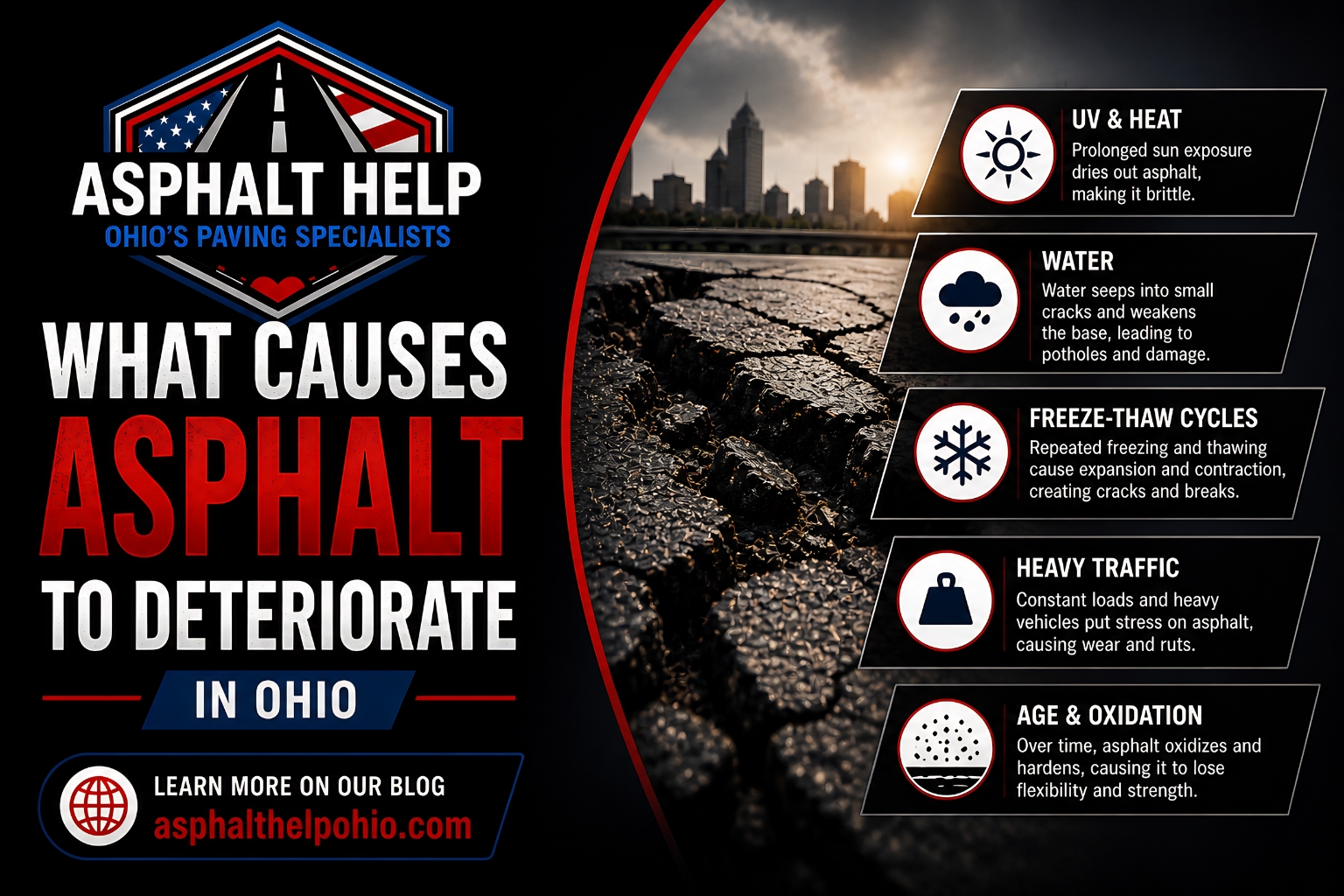
Freeze-thaw cycles can make trapped water worse because moisture expands when it freezes and then leaves the base weakened after thawing. That repeated cycle is one reason poorly installed pavement often fails early in colder climates.
3. Thin or uneven asphalt placement causes early wear
Even if the foundation is decent, the surface layer itself has to be placed correctly. If the asphalt is too thin in certain areas or spread unevenly, those sections can wear down faster under traffic.
- Thin spots lose strength sooner.
Asphalt thickness matters because the surface needs enough material to resist repeated vehicle loads. If the layer is too thin, the pavement will be more vulnerable to cracking and deformation. - Uneven placement creates weak zones.
When one area has more material than another, the thinner section takes more stress. That can create isolated failures that eventually spread. - Poorly timed placement can affect compaction.
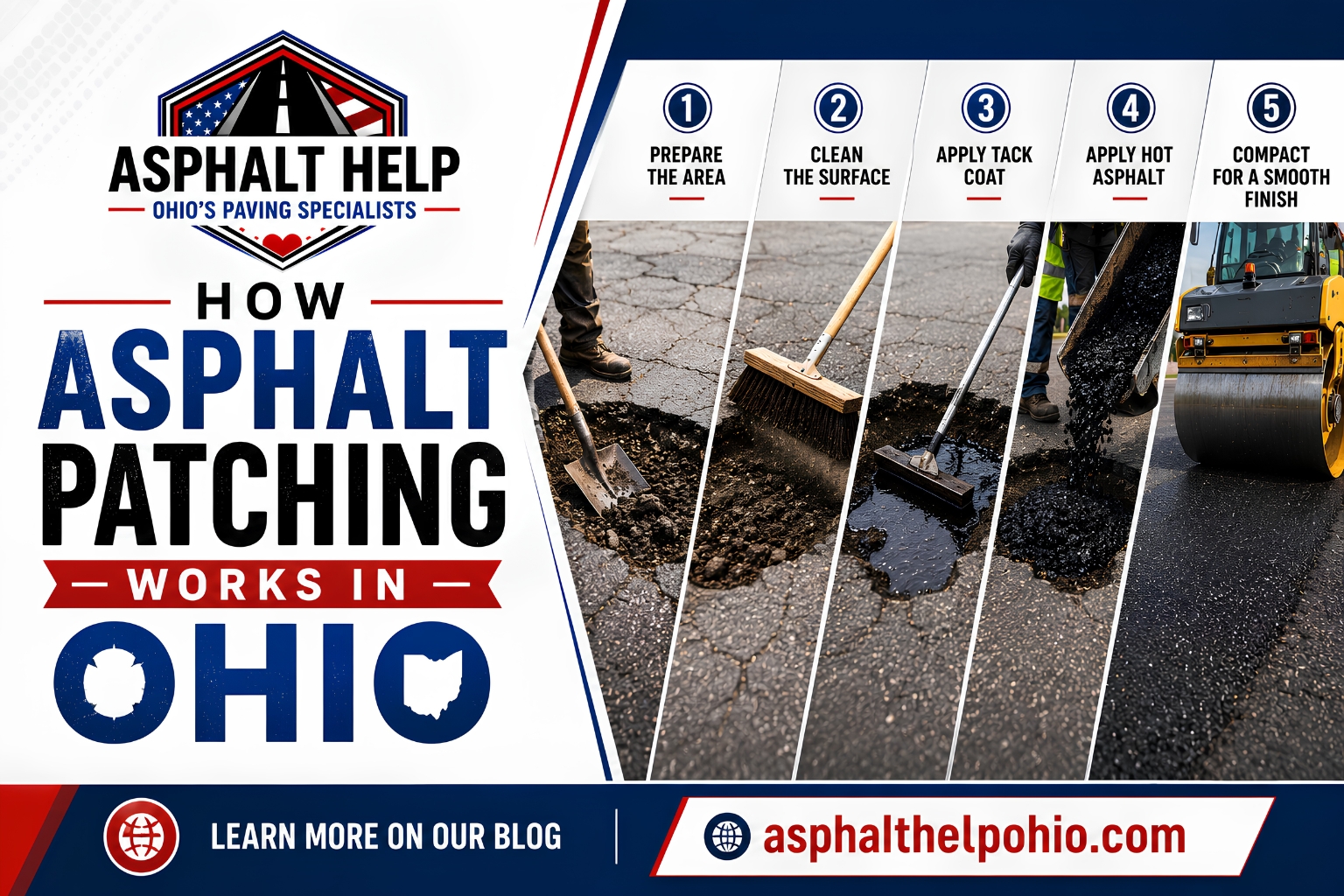
Hot-mix asphalt has to be placed and compacted while it is still hot enough to work properly. If crews move too slowly or the weather cools the material too quickly, the pavement may not reach the density it needs.
4. Compaction mistakes leave the pavement vulnerable
Compaction is one of the most important parts of the paving process because it helps the asphalt become dense and stable. Without proper compaction, the surface can retain too many air voids, which leaves it more open to water, traffic stress, and oxidation. Pavement references note that lack of compaction can reduce pavement life significantly, especially when combined with water intrusion through joints or cracks.
- Low-density pavement breaks down faster.
If the asphalt is not compacted enough, it can become more susceptible to fatigue cracking and surface raveling. That means the pavement may start losing small pieces or develop connected cracks earlier than expected. - Compaction affects moisture resistance.
Proper density helps keep water out. A pavement with too many voids or weak joints can allow moisture to enter more easily, which speeds up deterioration. - Rushed rolling can leave uneven performance.
If the surface is not rolled correctly while it is still workable, some sections may harden better than others. That creates inconsistency across the pavement and can lead to early wear in the weaker areas.
5. Water intrusion turns small flaws into big failures
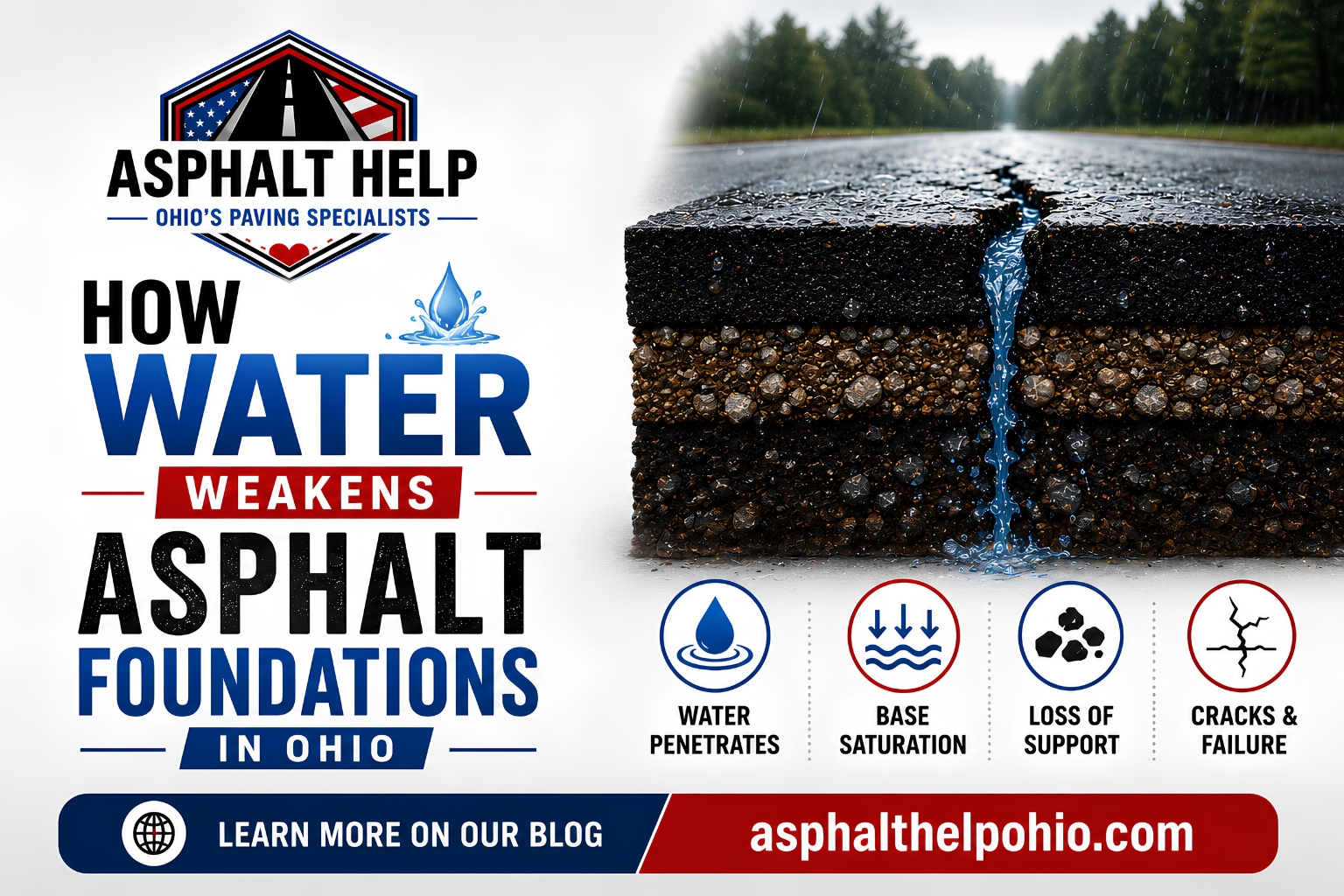
Once water gets into cracks, joints, or edges, the damage often accelerates. Water weakens the soil underneath the pavement, and traffic then applies the force that breaks the surface apart. Pothole formation typically requires both water and traffic, and in freezing climates, thawing and refreezing make the process worse.
- Small cracks quickly become larger problems.
Tiny openings allow moisture to enter the pavement structure. If those openings are not sealed or addressed, they can widen and lead to bigger failures. - Potholes often begin with hidden water damage.
A pavement may look fine until traffic starts breaking the unsupported area apart. Once that happens, the hole can grow quickly and become a safety hazard. - Moisture plus traffic is the dangerous combination.
Water weakens the support layers, and vehicle loads finish the job by stressing the weakened pavement past the breaking point.
6. Poor installation can lead to early reflective cracking
When pavement is installed over an existing surface without properly addressing the underlying cracks or structural problems, those same patterns can reappear in the new layer. Reflective cracking is a known pavement issue where cracks in the old pavement transfer upward through the overlay, and it can open the surface to further moisture intrusion and deterioration.
That is why an overlay is not always enough if the foundation is already compromised. If the structural issue beneath the surface is not fixed, the new layer may fail early too. Asphalt Help Ohio notes that it provides resurfacing, tear-out and replacement, structural patching, and base repairs when pavement failure begins below the surface.
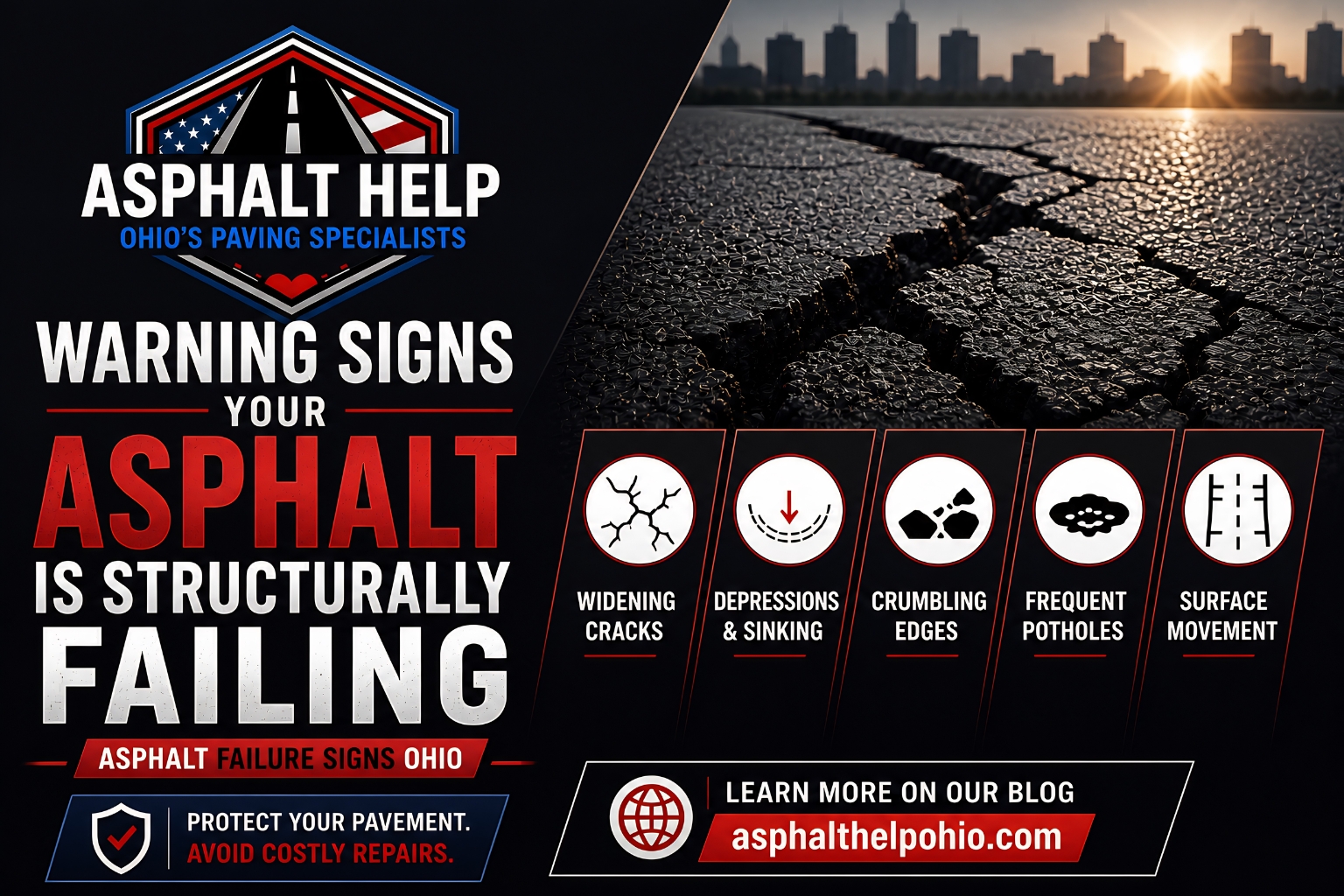
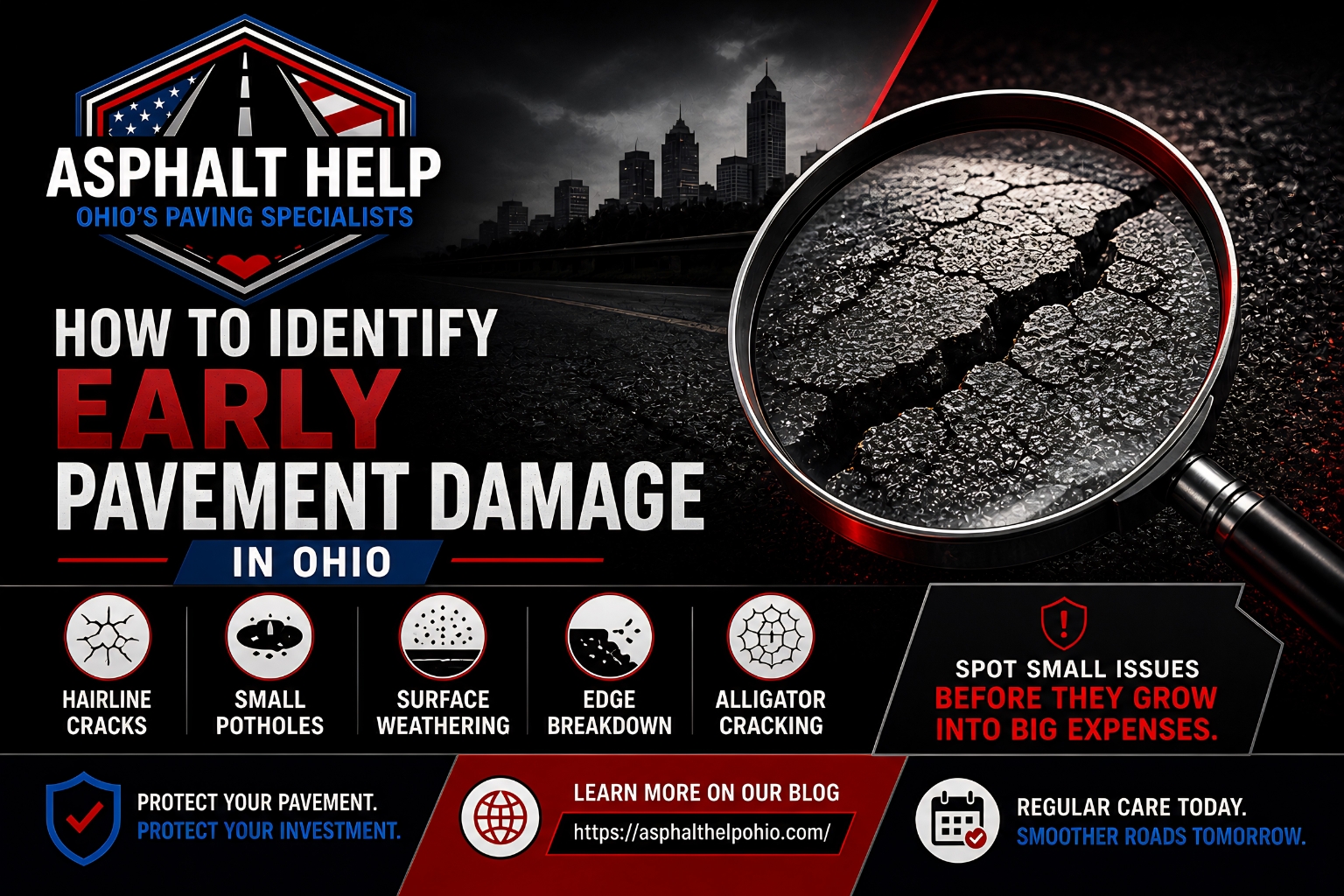
7. Early failure often starts with signs you can see
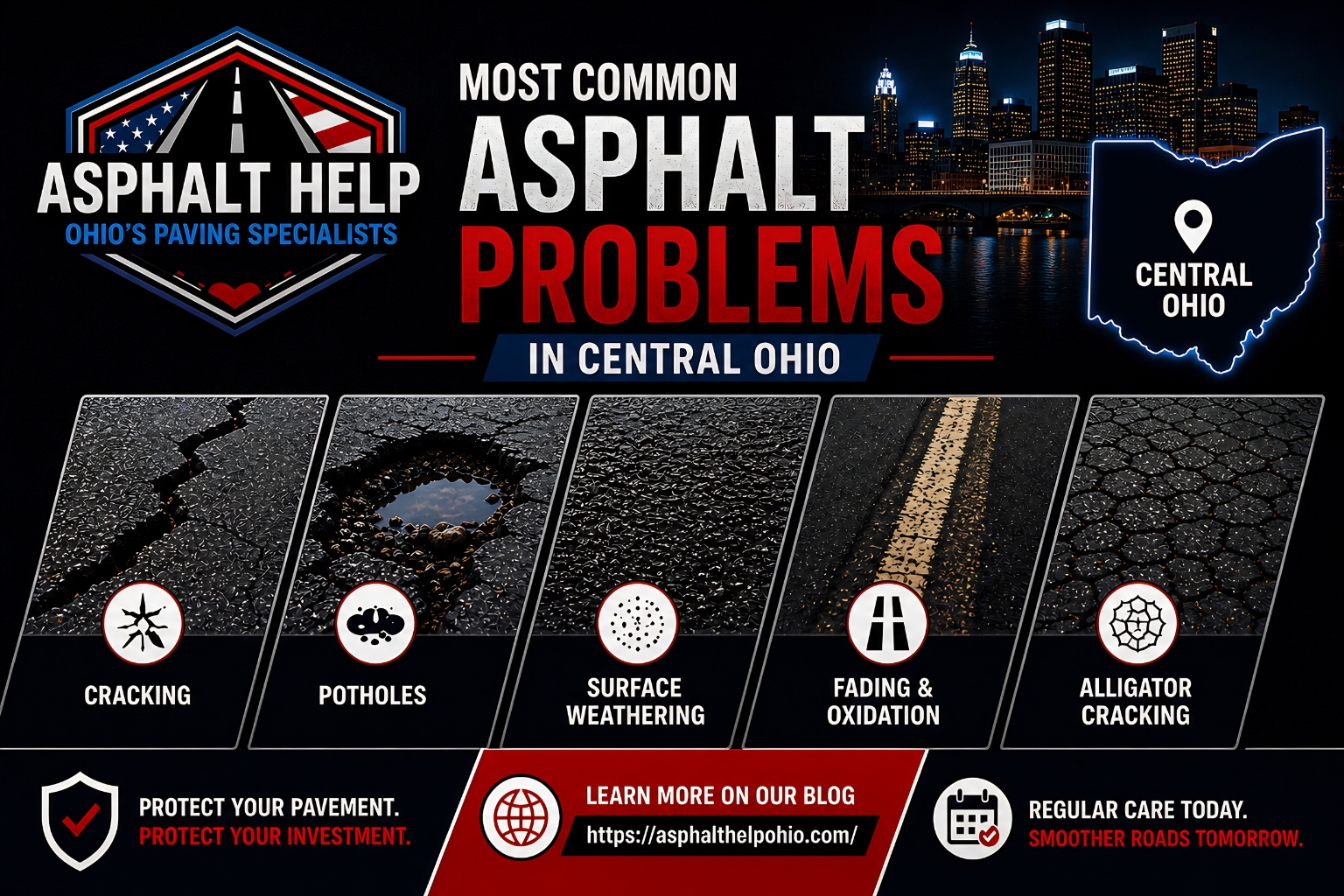
- Alligator cracking usually suggests fatigue and support failure below the surface. It often develops when the base or subbase cannot support the load, and poor drainage is a common contributor.
- Potholes often mean the surface and supporting layers have already been weakened by water and traffic.
- Edge cracking can point to weak shoulders or poor drainage near the pavement boundary.
- Rutting or depressions may indicate settlement in the base or subgrade.
Why professional installation matters
A successful paving project depends on the contractor understanding how the layers work together. Proper installation means more than laying asphalt. It means evaluating the site, fixing drainage issues, preparing the base, compacting the material correctly, and choosing the right repair method when damage already exists. Asphalt Help Ohio says it delivers personalized service, attention to detail, and dependable paving solutions for residential driveways, commercial parking lots, private roads, and municipal properties throughout Central Ohio.
Our asphalt services in Central Ohio
Asphalt Help Ohio provides new asphalt paving, resurfacing, pothole repair, over stone paving, tear-out and replacement, asphalt milling, parking lots, driveway paving, gravel driveway upgrades, and sealcoating. The company says it works with residential, commercial, and municipal clients, and that it uses strong materials, precision grading, and proven paving methods to build surfaces designed for Ohio weather and traffic conditions.
Final thoughts
Poor installation leads to early failure because the pavement is only as strong as the work underneath it. Weak base preparation, bad grading, poor compaction, and drainage mistakes all create conditions that let water and traffic break the surface down early. When those issues are ignored, the pavement can develop cracks, potholes, settlement, and other forms of distress much sooner than it should.
For anyone dealing with asphalt installation issues Ohio, the smartest move is to work with contractors who understand the full structure of the pavement system and know how to build for long-term performance. Asphalt Help Ohio presents itself as a family-owned, 30-plus-year Central Ohio paving company focused on strong foundations, proper drainage, and reliable asphalt solutions.