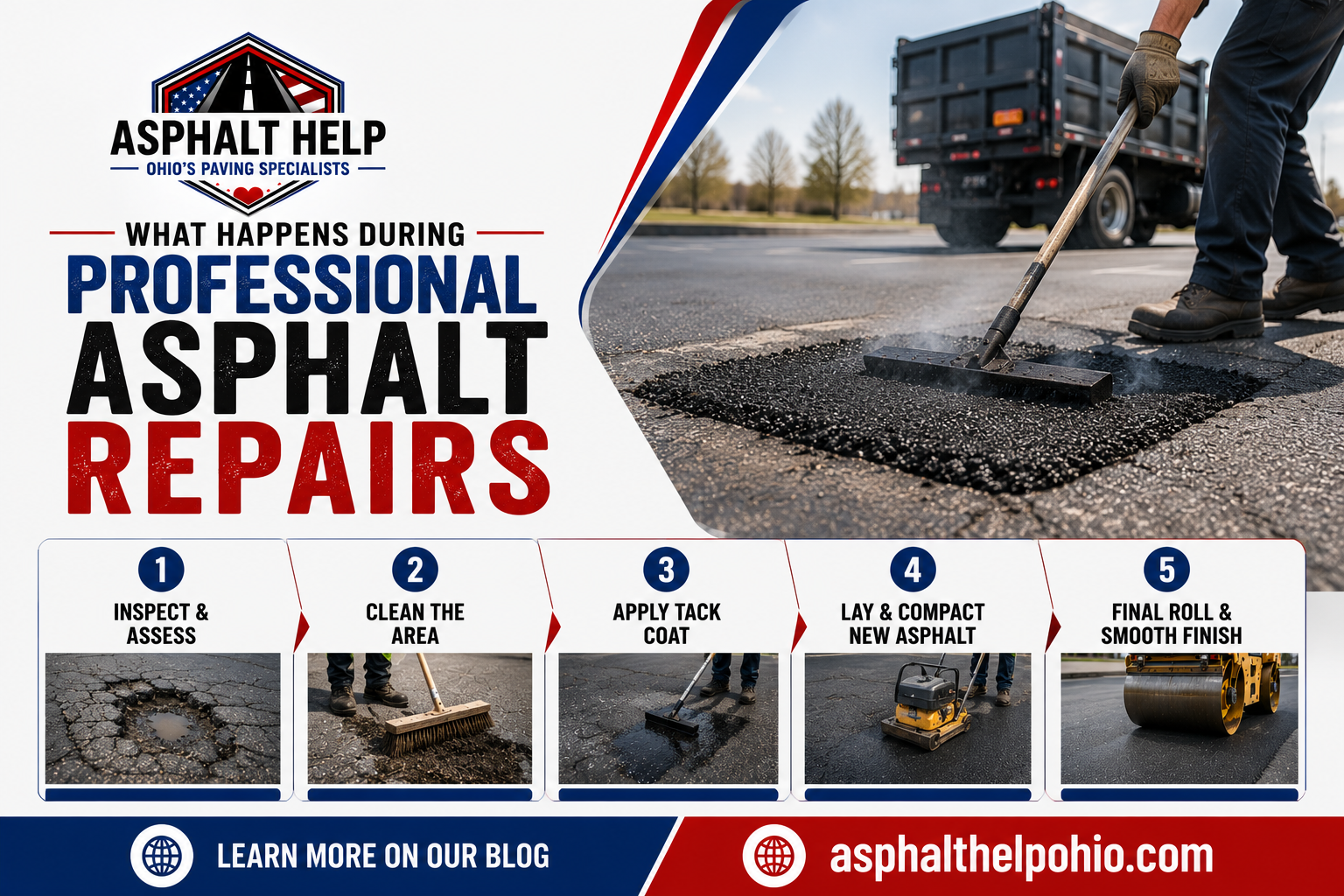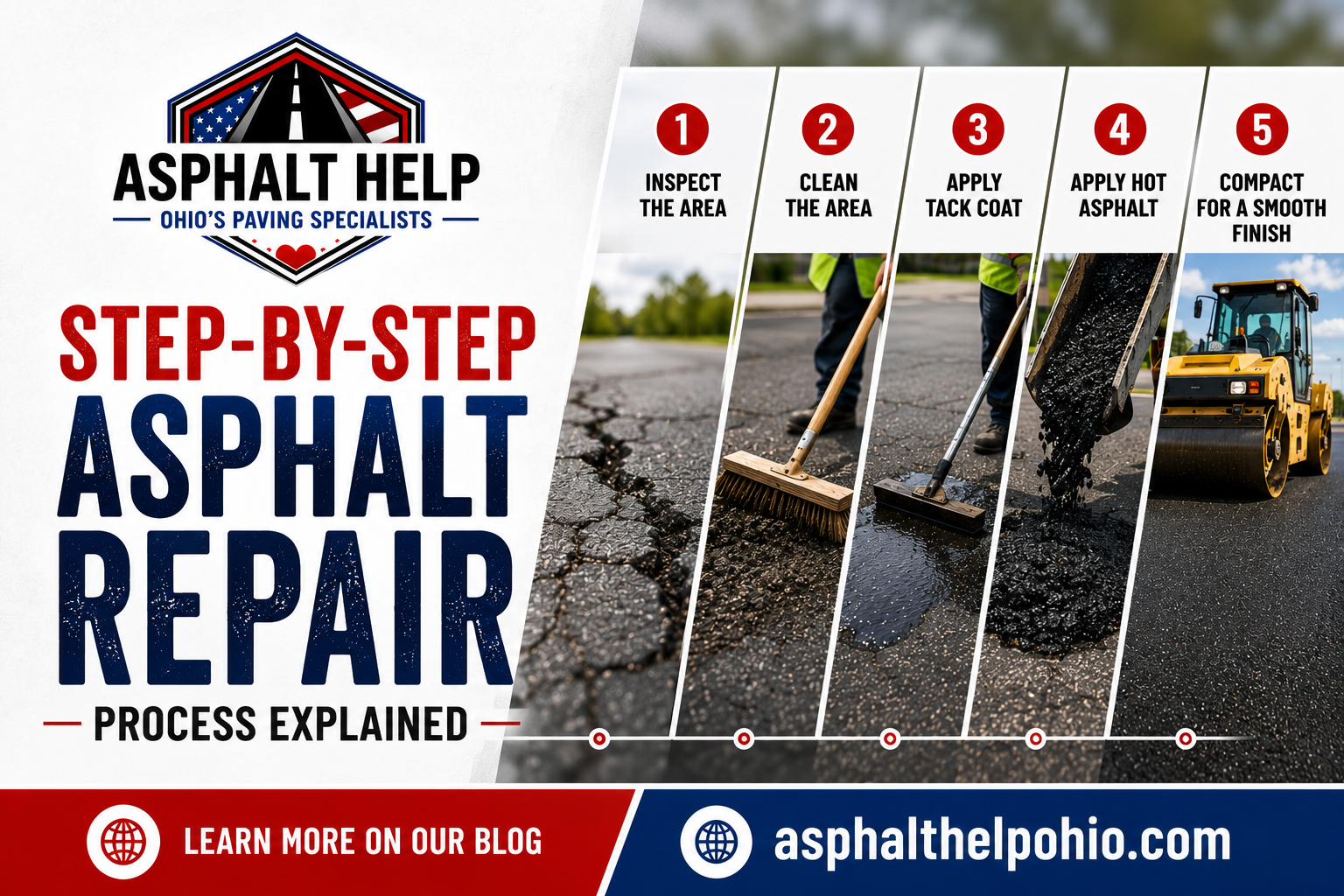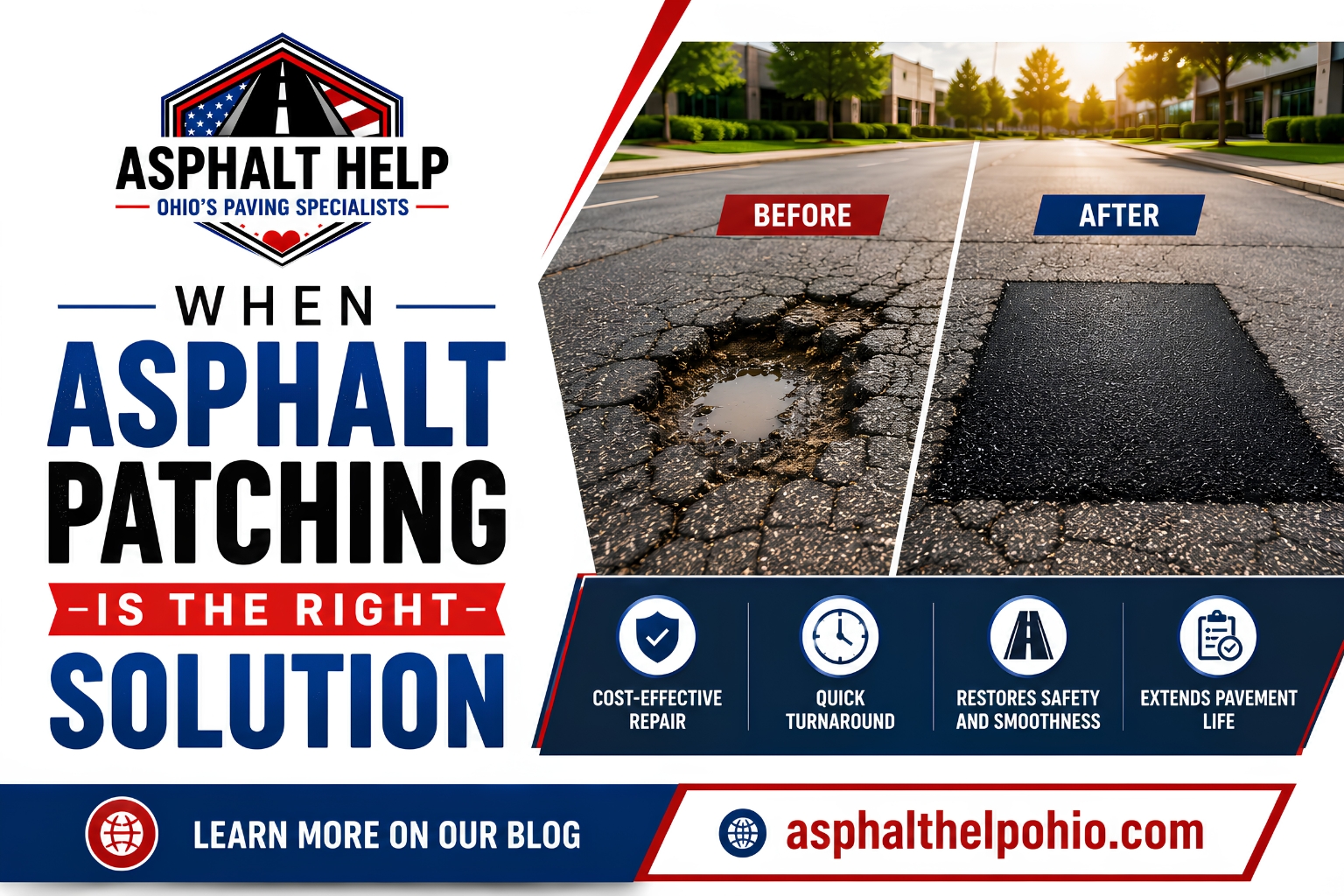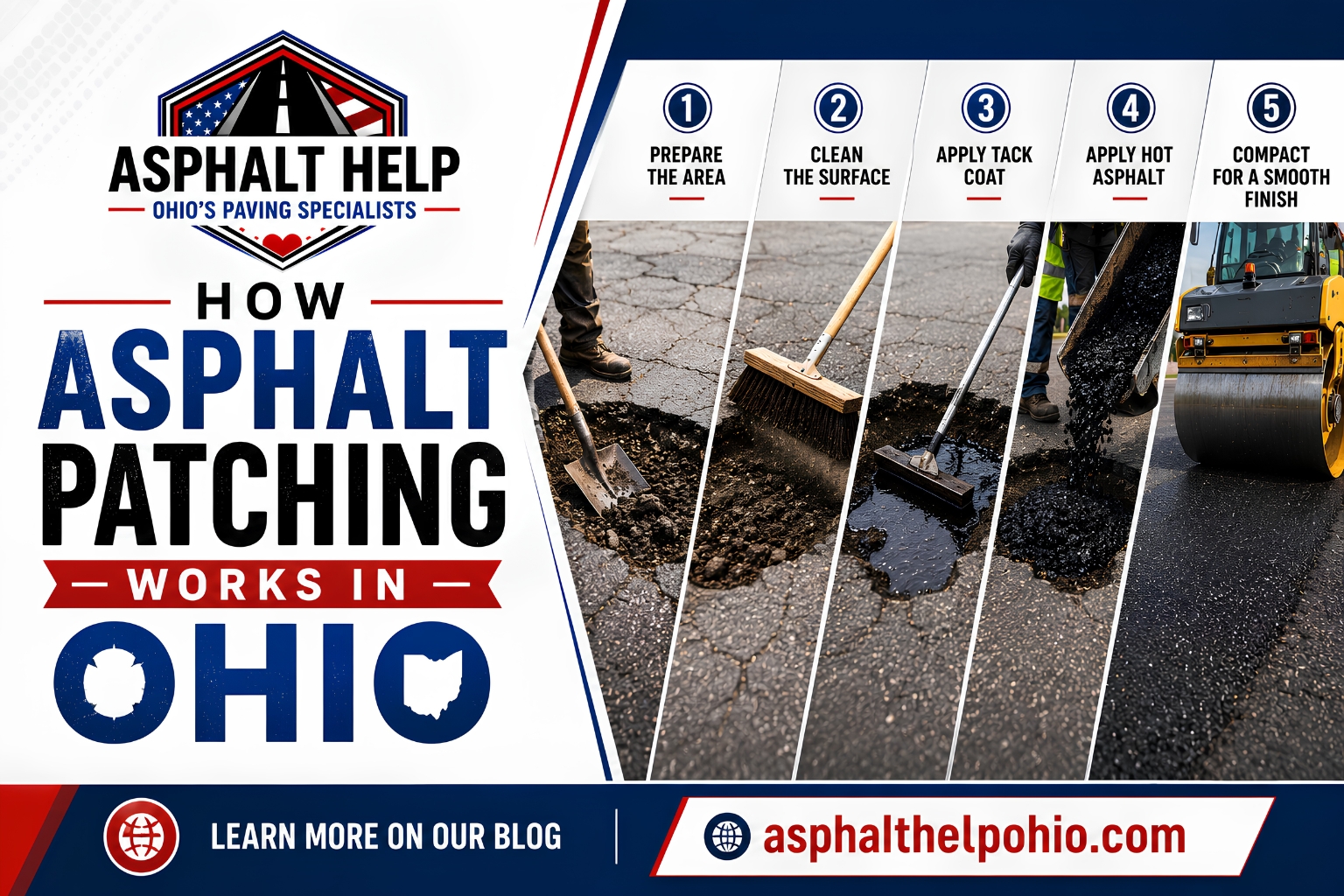


Are you noticing cracks, sinking areas, or potholes getting worse over time? Asphalt pavement is designed to handle years of traffic and environmental exposure, but Ohio’s harsh climate can gradually weaken pavement structures beneath the surface. Understanding common asphalt failure signs Ohio property owners experience is important for identifying structural problems before they turn into major pavement failures. Throughout the year, freeze–thaw cycles, moisture infiltration, road salt, heavy rainfall, and seasonal temperature fluctuations place continuous stress on asphalt surfaces and their supporting base layers. Over time, these conditions can lead to serious structural issues such as alligator cracking, potholes, rutting, sinking pavement, edge failure, drainage problems, and widespread surface deterioration. While some damage may initially appear cosmetic, many asphalt problems actually indicate deeper foundation instability developing underneath the pavement.
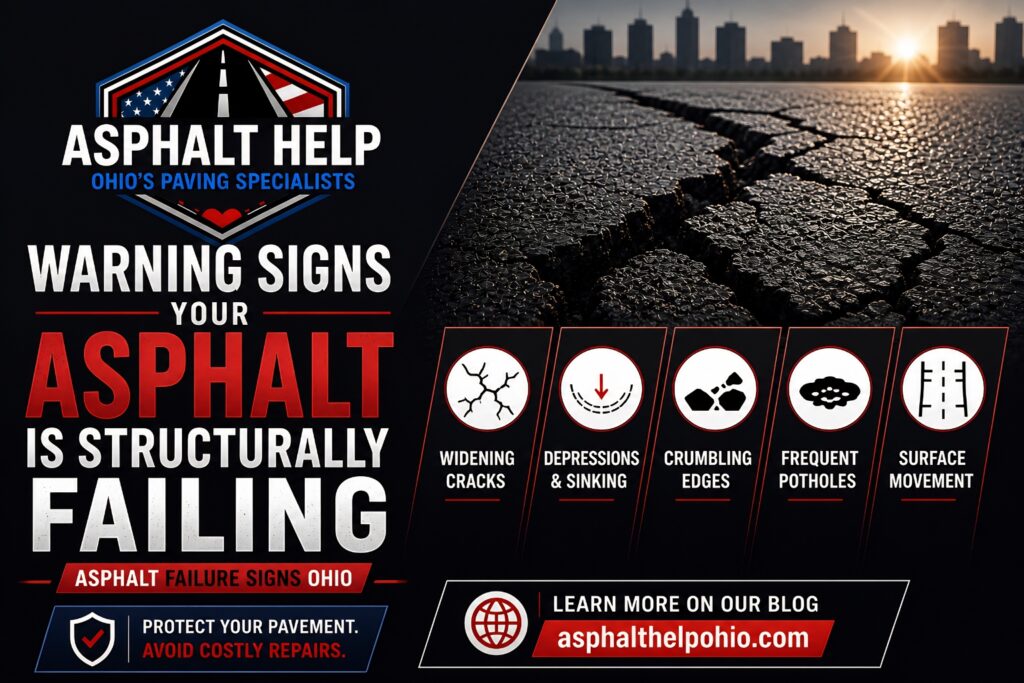
Structural asphalt failure is often caused by weakened subgrade conditions, poor drainage, water intrusion, heavy traffic loads, or aging pavement materials. In Ohio, moisture entering cracks during winter months can freeze, expand, and slowly break apart the pavement structure from below. Once the base layers lose stability, surface damage tends to spread quickly under daily traffic pressure and changing weather conditions. Recognizing these early warning signs allows property owners to address problems before expensive full-depth reconstruction becomes necessary.
What Is Structural Asphalt Failure?
Structural asphalt failure occurs when the pavement foundation or supporting layers can no longer properly support traffic loads and environmental stress.
Unlike minor surface wear, structural failure affects the integrity of the pavement system itself.
Structural issues often involve:
- Base weakening
- Moisture infiltration
- Soil instability
- Drainage failure
- Repeated freeze-thaw damage
- Traffic-related fatigue
Once structural deterioration begins, surface problems tend to worsen quickly.
Why Ohio Pavement Is Vulnerable to Structural Failure
Ohio’s climate creates constant stress on asphalt surfaces throughout the year.
Common environmental challenges include:
- Freezing temperatures
- Snow and ice
- Heavy rainfall
- Road salt exposure
- Moisture fluctuations
- Seasonal soil movement
- Freeze-thaw cycles
These conditions can gradually weaken asphalt foundations and accelerate structural damage.
Most Common Asphalt Failure Signs Ohio Property Owners Should Watch For
1. Large or Expanding Cracks
Cracking is often one of the earliest indicators of structural distress.
Structural cracks may include:
- Alligator cracking
- Deep longitudinal cracks
- Widening transverse cracks
- Interconnected cracking patterns
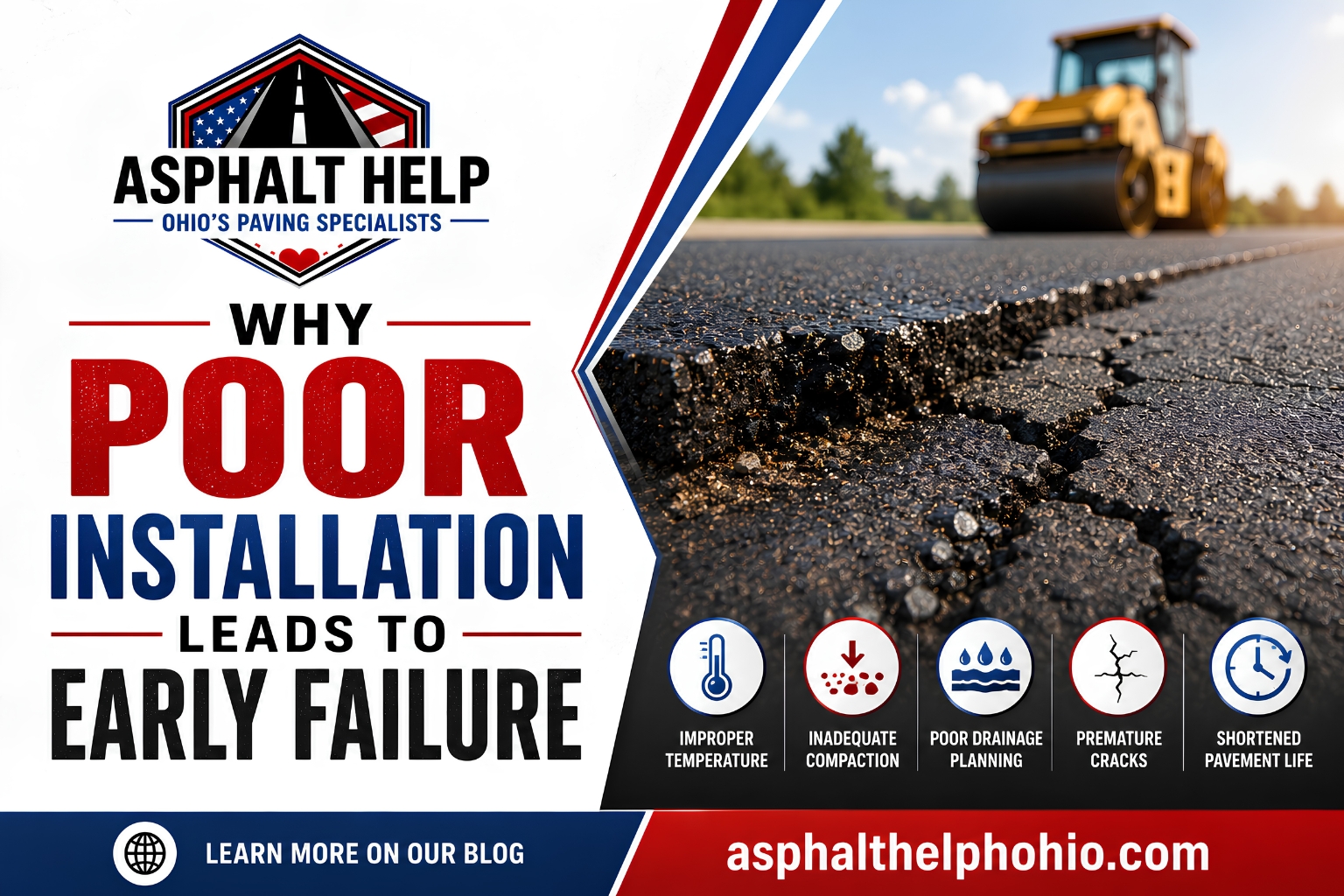
Unlike small surface cracks, structural cracking often indicates that the pavement base beneath the asphalt is weakening.
Why does this happen?
- Water infiltration
- Foundation instability
- Repeated traffic stress
- Freeze-thaw expansion
If ignored, cracking can rapidly spread throughout the pavement system.
2. Alligator Cracking
Alligator cracking is one of the clearest warning signs of serious structural failure.
Characteristics include:
- Interconnected crack patterns
- Surface resembling reptile skin
- Multiple small broken sections
This type of damage usually indicates:
- Base failure
- Poor load support
- Advanced pavement fatigue
Alligator cracking typically requires more than simple surface repair.
3. Potholes
Potholes are a major sign that structural damage already exists beneath the surface.
Potholes often develop due to:
- Water penetration
- Freeze-thaw damage
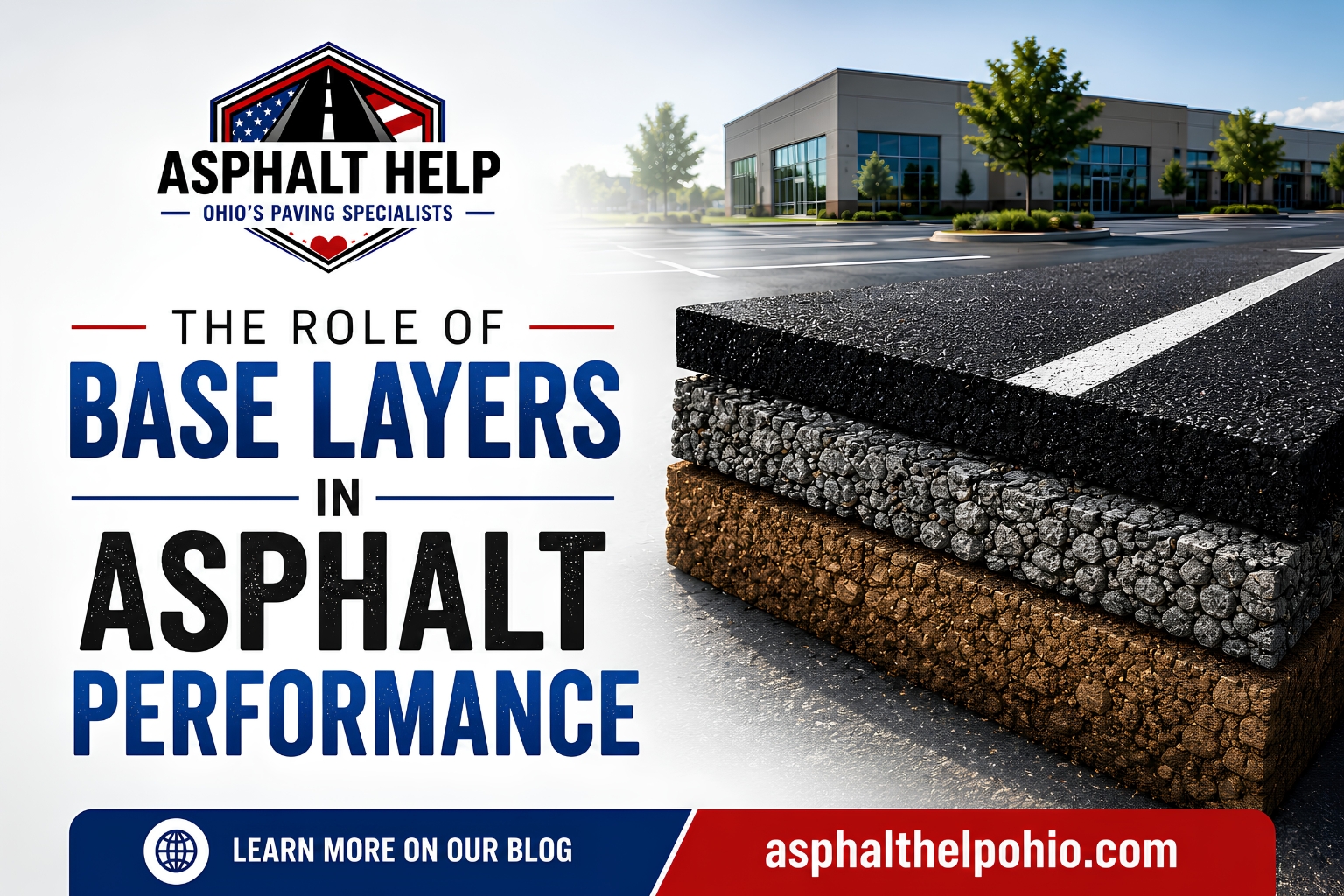
- Weak sub-base layers
- Traffic stress
As pavement foundations weaken, surface sections begin collapsing under pressure.
Potholes can worsen quickly, especially during Ohio winters and rainy seasons.
4. Water Pooling and Drainage Problems
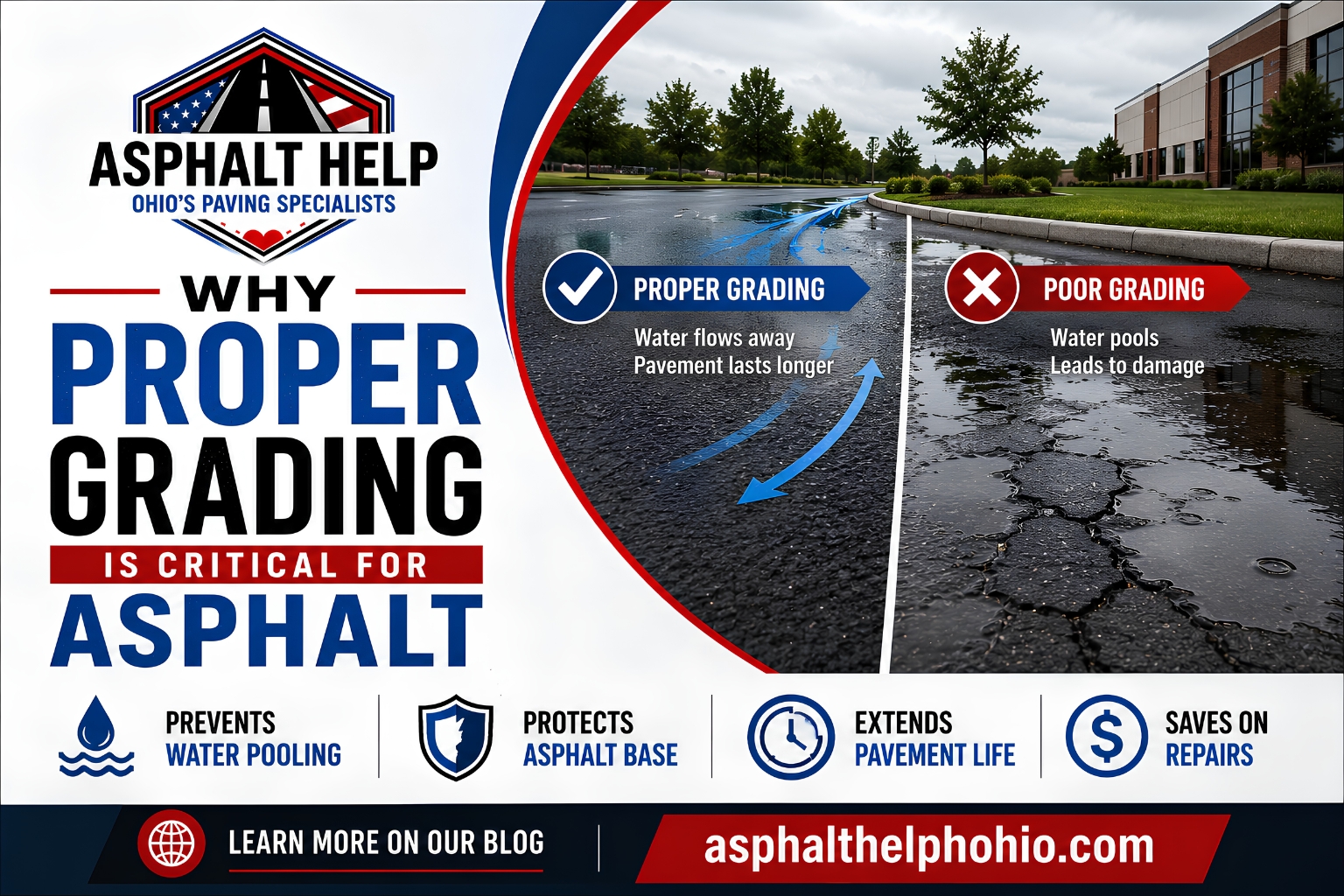
Standing water is a major warning sign of structural pavement issues.
Common drainage-related symptoms include:
- Persistent puddles
- Surface depressions
- Uneven pavement
- Soft spots
Poor drainage allows moisture to penetrate beneath asphalt surfaces, weakening the foundation and accelerating deterioration.
Proper drainage is essential for pavement stability.
5. Surface Depressions and Sinking Areas
Uneven pavement surfaces often indicate subsurface instability.
Signs include:
- Sunken pavement sections
- Low spots
- Rutting
- Tire depressions
These issues may result from:
- Weak base materials
- Soil movement
- Poor compaction
- Moisture damage
Structural sinking problems generally worsen over time if not professionally addressed.
6. Edge Deterioration
Driveway and parking lot edges are particularly vulnerable to structural weakening.
Common symptoms include:
- Crumbling edges
- Surface separation
- Side cracking
- Erosion near pavement borders
Edge failure often occurs when water penetrates the sides of the pavement or when the foundation lacks sufficient support.
7. Excessive Surface Raveling
Raveling occurs when aggregate begins separating from the asphalt binder.
Signs include:
- Loose gravel
- Rough texture
- Surface erosion
- Loss of smooth finish
Severe raveling can indicate that the asphalt surface is breaking down structurally due to age, oxidation, or moisture damage.
8. Repeated Repairs in the Same Area
If the same pavement section continues developing problems after repairs, deeper structural issues may exist.
Recurring issues often indicate:
- Weak foundations
- Drainage failure
- Base instability
- Subsurface moisture damage
Repeated patching without addressing the underlying problem may only provide temporary improvement.
Main Causes of Structural Asphalt Failure in Ohio
Several factors contribute to pavement failure.
Common causes include:
- Freeze-thaw cycles
- Water infiltration
- Poor drainage
- Heavy vehicle traffic
- Weak base preparation
- Improper installation
- Soil instability
- Aging pavement materials
Ohio’s climate often accelerates these problems significantly.
Residential vs Commercial Asphalt Failure
Residential Driveways:
- Edge cracking
- Water pooling
- Surface sinking
- Minor potholes
Commercial Parking Lots:
- Alligator cracking
- Rutting
- Heavy load fatigue
- Large potholes
- Structural depressions
Commercial surfaces often deteriorate faster due to constant traffic exposure and heavier vehicle loads.
For businesses and homeowners seeking reliable Asphalt Paving Services in Columbus Ohio, early structural inspections are essential for preventing severe pavement failure.
Structural Asphalt Failure Comparison Table
| Failure Sign | Possible Cause | Structural Risk Level |
|---|---|---|
| Alligator Cracking | Base failure | Severe |
| Potholes | Moisture damage | High |
| Water Pooling | Poor drainage | High |
| Surface Sinking | Soil instability | Severe |
| Edge Deterioration | Weak support | Moderate to High |
| Raveling | Surface breakdown | Moderate |
| Expanding Cracks | Freeze-thaw damage | High |
| Repeated Repairs | Foundation instability | Severe |
Importance of Professional Pavement Evaluation
Structural pavement issues require professional assessment to determine the true extent of damage.
Working with experienced asphalt contractors in Central Ohio helps ensure:
- Accurate pavement inspections
- Drainage evaluation
- Foundation assessment
- Long-term repair planning
- Proper structural solutions
Experienced professionals understand how Ohio weather affects pavement systems and can identify problems before major failures occur.
Why Preventative Maintenance Matters
Routine maintenance can help slow structural deterioration.
Preventative services may include:
- Crack sealing
- Sealcoating
- Drainage improvements
- Surface repairs
- Routine inspections
Early intervention often prevents small issues from developing into major structural failures.
Why Local Ohio Expertise Is Essential
Ohio asphalt systems require climate-specific knowledge.
Local paving professionals understand:
- Freeze-thaw behavior
- Seasonal moisture risks
- Soil movement
- Drainage challenges
- Traffic-related pavement stress
At Asphalt Help Ohio, pavement solutions are tailored specifically for Ohio’s demanding environmental conditions and long-term durability requirements.
Long-Term Risks of Ignoring Structural Asphalt Failure
Failing to address structural pavement problems can lead to:
- Major pavement reconstruction
- Increased safety hazards
- Drainage complications
- Accelerated deterioration
- Vehicle damage
- Reduced property appearance
- Shortened pavement lifespan
Early identification is one of the most effective ways to protect asphalt investments.
Final Thoughts
Structural pavement damage rarely improves without proper repair. Small cracks, soft spots, or minor surface failures can quickly become widespread structural problems when moisture and freeze–thaw damage continue affecting the pavement foundation. Understanding the most common asphalt failure signs Ohio property owners encounter helps homeowners and commercial property managers take preventative action before pavement conditions become unsafe or significantly more expensive to repair.
For residential driveways, early repairs can help prevent severe cracking, sinking, and water-related damage that shortens pavement lifespan. For commercial parking lots and paved surfaces, proactive maintenance improves safety, preserves appearance, and reduces long-term operational and liability costs. Services such as crack sealing, asphalt patching, drainage correction, overlays, and base repair can often stop structural deterioration before complete pavement replacement becomes necessary.
If your driveway or parking lot is showing signs of cracking, potholes, rutting, or surface instability, Asphalt Help Ohio can help inspect pavement conditions and provide professional asphalt repair and maintenance solutions designed specifically for Ohio’s climate and structural pavement challenges.